

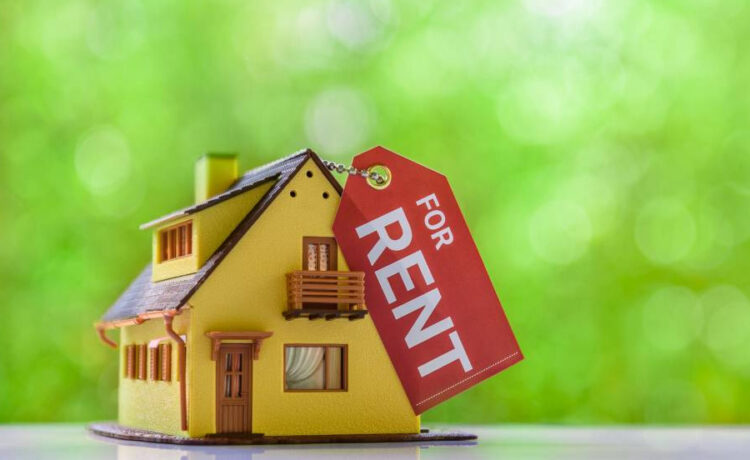
As the popularity of short term rentals continues to grow, so does the level of competition. Travelers today have endless choices, from budget-friendly studios to luxury vacation homes. In such a crowded marketplace, creating a strong brand identity is one of the most effective ways to stand out, attract repeat guests, and command higher nightly rates. A well-defined brand helps communicate what makes a property unique and why guests should choose it over similar listings.
The first step in building a brand identity for short term rentals is defining the target audience. Knowing who you want to attract—families, business travelers, couples, pet owners, or luxury seekers—guides every decision, from décor to amenities to marketing. For example, a rental targeting remote workers may highlight ergonomic workspaces and high-speed Wi-Fi, while a family-friendly property may emphasize safety features, play areas, and nearby attractions.
Visual identity is another essential component. Consistent colors, photography style, and design themes help create a recognizable brand across booking platforms, social media, and direct booking websites. High-quality, well-lit photos are crucial, as they form a guest’s first impression. Properties that maintain a cohesive design—whether minimalistic, rustic, coastal, or urban chic—tend to perform better because guests feel an immediate sense of what to expect.
Unique amenities also play a major role in differentiation. Successful short term rentals often offer something memorable, such as a hot tub, outdoor entertainment area, luxury bedding, smart home features, or local artisan products. Even small touches like high-end toiletries, a curated coffee station, or board games can enhance the guest experience. These elements help create a property personality that guests associate with comfort and quality.
Brand identity is further strengthened through tone and communication style. Listing descriptions, welcome messages, and guidebooks should reflect the property’s personality—whether professional, warm, adventurous, or upscale. A friendly, well-written description builds trust and sets expectations. Repeat guests often return not only because they enjoyed the property but because they felt connected to the experience the brand delivered.
Storytelling adds another layer of depth. Sharing the history of the property, the inspiration behind its design, or the host’s passion for hospitality helps guests feel emotionally connected. A compelling story transforms short term rentals from simple lodging into memorable experiences. This creates differentiation that competitors cannot easily replicate.
Online presence is also critical. Short term rentals with strong branding benefit from a consistent social media strategy, engaging posts, and direct booking websites that extend the brand beyond third-party platforms. This boosts credibility and reduces dependence on high commission channels. Branded hashtags, guest photo features, and local partnerships further amplify visibility.
To sum up, delivering exceptional service solidifies the brand. Consistent cleanliness, smooth check-ins, fast responses, and personalized touches create a reputation that leads to positive reviews—one of the most important branding tools in short term rentals. The more aligned the guest experience is with the brand identity, the stronger the reputation becomes.
A well-crafted brand identity doesn’t just make a listing look appealing; it creates a distinct, memorable experience that elevates short term rentals in any competitive market.