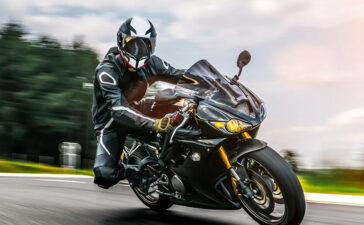

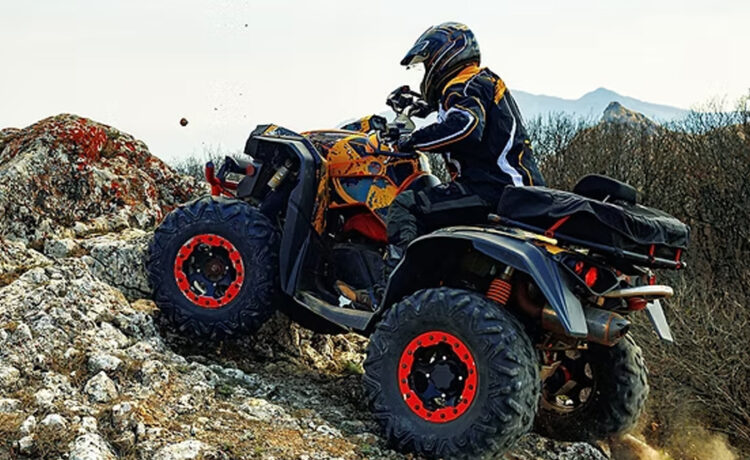
When riders consider protecting their ATV, UTV, motorcycle, snowmobile, or personal watercraft, a powersports extended warranty becomes an important part of the decision. However, not all warranty plans are the same. The two major categories—manufacturer-backed and third-party warranties—offer different advantages, limitations, and levels of protection. Understanding these differences helps riders choose a plan that fits their vehicle, budget, and long-term ownership goals.
Manufacturer-backed powersports extended warranty plans are issued directly by the brand that built the vehicle. These plans are often seen as the most reliable because they use factory-trained technicians and original equipment manufacturer (OEM) parts for repairs. Riders benefit from consistent service standards and the assurance that the repairs follow brand-specific guidelines. Manufacturer-backed plans typically integrate seamlessly with the original factory warranty, extending coverage without gaps. For many buyers, this continuity boosts confidence and helps maintain the vehicle’s resale value, as prospective buyers appreciate the credibility associated with factory-supported protection.
Third-party powersports extended warranty plans, on the other hand, are offered by independent companies rather than the manufacturer. These plans can be more flexible and sometimes less expensive. They may provide broader coverage options, allowing customers to tailor the plan to their exact riding style, frequency of use, or budget. Third-party providers also work with a large network of repair shops, giving riders the convenience of choosing where to have their vehicle serviced. This is particularly appealing for owners who live far from a brand-certified dealership or who prefer a trusted local mechanic.
One of the key differences between the two types of warranties is claim approval and repair process. Manufacturer-backed warranties generally have smoother approval procedures because they are processed within the same brand ecosystem. Repairs are completed at authorized dealerships that follow the brand’s service protocols. Third-party warranty claims may involve more steps, including pre-authorization or additional documentation. While most reputable third-party providers are efficient, riders should research the company’s claim policies and customer reviews before committing.
Cost structure also varies. Manufacturer-backed plans may have higher upfront prices due to the use of OEM parts and factory technicians. Third-party plans often cost less initially but may require riders to review fine print carefully to understand deductibles, labor rates, and parts coverage. Some third-party warranties offer perks such as roadside assistance, towing, or rental reimbursement, which can add value depending on how the vehicle is used.
Coverage scope is another area of difference. Manufacturer-backed warranties usually mirror the factory warranty’s structure, focusing on mechanical and electrical components. Third-party warranties may offer additional levels of protection, including expanded component coverage or customizable add-ons. However, riders must ensure the provider is reputable and financially stable, as warranty payout reliability is essential.
To conclude, choosing between a manufacturer-backed and a third-party powersports extended warranty depends on priorities such as service convenience, cost, coverage breadth, and brand loyalty. By understanding how each type functions, riders can make an informed decision that protects their investment and enhances their long-term ownership experience.