
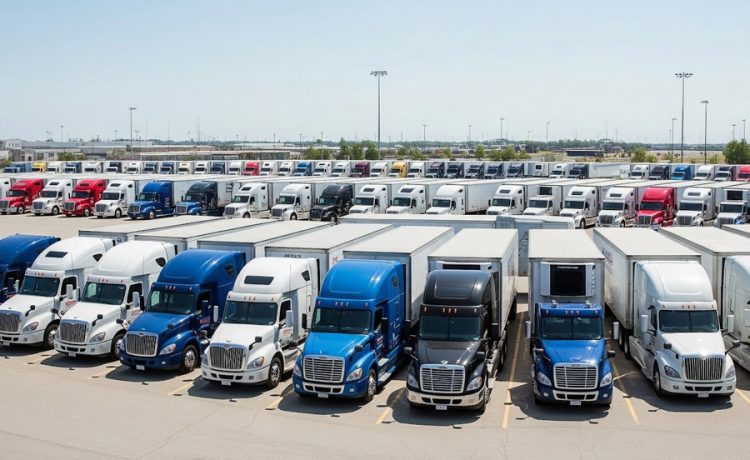
Adding a few more vehicles to a fleet sounds like a straightforward growth move, right up until the first month of running them actually begins. The trucks show up, the routes get assigned, and then the real cost of keeping them moving day after day starts to show itself.
That happens in ways a lot of owners didn’t fully plan for.
Two of the biggest surprises tend to be toll and fuel, and both deserve more attention during the planning stage than they usually get.
Why Does Growing a Fleet Put Extra Pressure on Cash Flow?
Buying vehicles is the visible, one-time cost. Running them is the ongoing one. It starts the moment wheels touch the road, and it doesn’t stop.
Every additional truck means more diesel purchased before the trip even generates revenue, more toll charges from crossing additional toll plazas along a route, and a longer stretch of time before payments from clients actually land in the account.
A fleet that grows fast can end up cash-strapped even while business is genuinely good on paper. Revenue is coming; it’s just not arriving as quickly as the bills for fuel and tolls are.
The Two Costs Most Owners Underestimate
Fuel and toll rarely get budgeted the way they should, mostly because both feel like small, routine expenses individually. Multiply them across a bigger fleet running more routes, though, and they add up into one of the largest recurring outflows a transport business carries.
The mistake isn’t ignoring these costs. It’s underestimating them, specifically how much upfront float is needed to keep vehicles fueled and moving through toll plazas before client payments catch up.
How Much Fuel Float Does a Bigger Fleet Actually Need?
This depends on your routes, how often vehicles refuel, and how quickly your clients send payments. A longer payment cycle means you need a bigger fuel buffer sitting ready, since trucks can’t wait for an invoice to clear before their tank gets filled again.
A few things worth mapping out before expanding:
- Average fuel spend per vehicle per trip, multiplied by however many vehicles are being added.
- The typical gap between when a trip is completed and when the client actually pays for it.
- Seasonal spikes, since fuel prices and demand both shift depending on the time of year.
- A cushion beyond the bare minimum, because trips rarely go exactly as planned.
Get this number roughly right, and fuel stops being the thing that quietly drains working capital every month.
Planning for Toll Charges Across a Bigger Fleet
Tolls add up faster than most owners expect once a fleet crosses highways regularly. Every additional vehicle running long-haul routes means another running toll bill, and unlike fuel, there’s very little flexibility in when that charge hits.
A fleet fuel card and a centralized FASTag account for the whole fleet both help here. However, a fleet FASTag account carries its own risk: if the balance runs low, a vehicle’s tag can get flagged or blacklisted.
That may force the owner to pay a higher non-FASTag fee until it’s topped up. Setting low-balance alerts is worth doing for exactly this reason.
It also gives owners a cleaner, centralized view of exactly how much toll the business is actually spending, instead of piecing it together from scattered receipts later.
Does a Fleet Expansion Loan Cover This Kind of Working Capital?
Often, yes, though it depends on how the loan is structured. Some fleet expansion loans are built purely around the vehicle purchase itself, while others include a working capital component meant to cover exactly this kind of early operational cost.
It is worth asking directly whether the loan you’re considering accounts for the ramp-up period, or whether that gap needs to be funded separately.
Treat fuel and toll float as part of the expansion budget. It makes the whole transition considerably smoother.
Building a Simple Buffer Into the Budget
- Set aside a separate float specifically for fuel and tolls, apart from the money saved for EMIs or vehicle maintenance.
- Review the buffer every few months because routes and client payment habits do shift over time.
- Track fuel and toll spend per vehicle, so you can spot which routes are quietly eating your money more than expected.
- Talk to your lender early if the buffer looks tight during expansion. It’s always easier to adjust a repayment schedule before a shortfall actually happens than after.
Common Mistakes Fleet Owners Make
- A lot of owners size their float around the old fleet’s expenses and assume the new vehicles will behave the same way, which rarely holds once routes and loads change.
- Others treat toll and fuel as pocket expenses that are not a part of their real-life budget, so nobody notices the drain until cash gets tight.
- Some delay conversations with their lender until a shortfall has already happened.
Bottom Line
Fleet expansion works best when the vehicles aren’t the only thing being budgeted for. Toll and fuel float are quiet costs, easy to underestimate and expensive to ignore, but a little planning upfront keeps them from turning a good growth decision into a cash flow headache.
Get the buffer roughly right, and the rest of the expansion tends to go a lot more smoothly than owners expect.